
10 Genius Small Entryway Storage Ideas to Cut Back on Clutter
Discover 10 small entryway storage ideas that keep shoes, coats, and bags organized without crowding your space. Simple, stylish, and easy to try
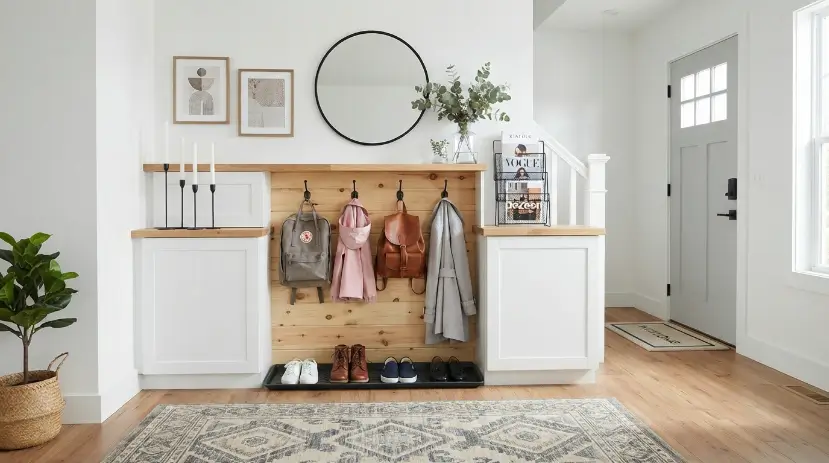
The entryway is the busiest spot in most homes, and often the smallest. Shoes pile up, bags land wherever there’s room, and keys disappear just when you’re already running late. The good news is that you don’t need a spacious foyer to fix it. With the right small entryway storage ideas, even a narrow hallway or a few feet beside the front door can feel organized and welcoming.
In this guide, you’ll find ten practical ways to make every inch count, simple habits that keep clutter from creeping back, tips for tight and narrow spaces, and a short list of buys worth considering. Pick the ideas that fit your layout and mix and match as you go.
Small Entryway Storage Ideas That Make Every Inch Count
1. Create Vertical Storage With Floating Shelves
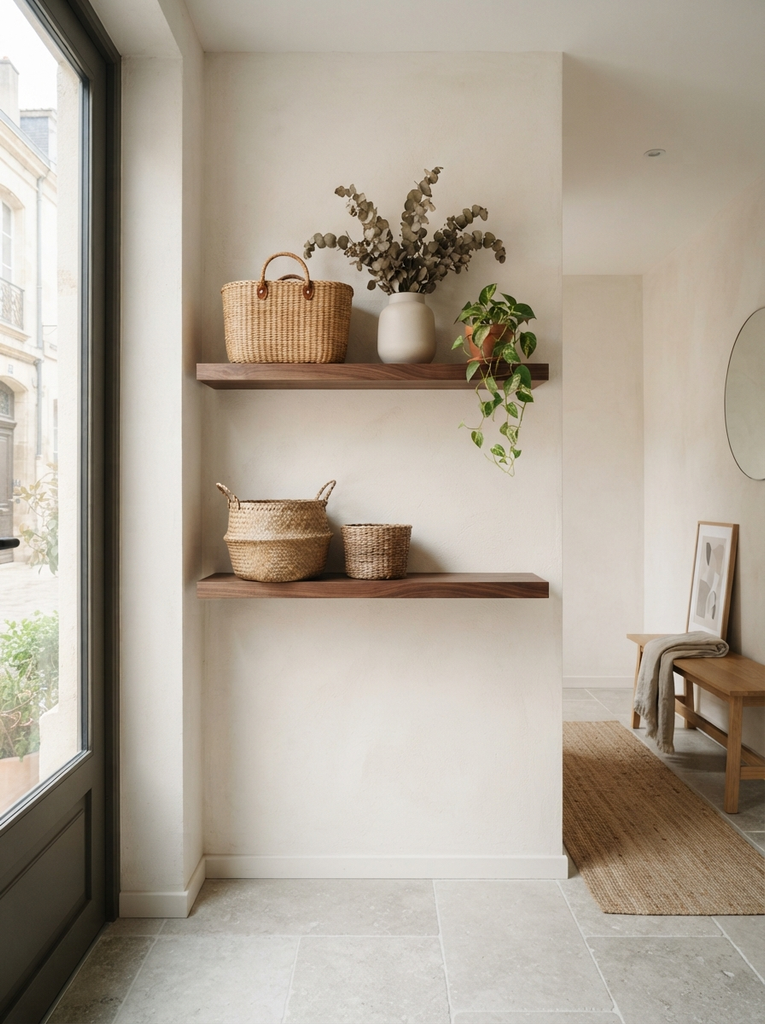
When floor space is limited, look up. Floating shelves keep the floor clear while giving you a spot for baskets, plants, keys, and everyday essentials. Install one or two above a bench or console, or run a single long shelf along the wall at about eye level. A good rule is to keep the top shelf for decor and the lower one for things you grab daily, so the wall looks styled rather than stuffed. Because floating shelves have a light visual weight, they add function without making the entry feel heavy.
2. Add a Slim Shoe Cabinet
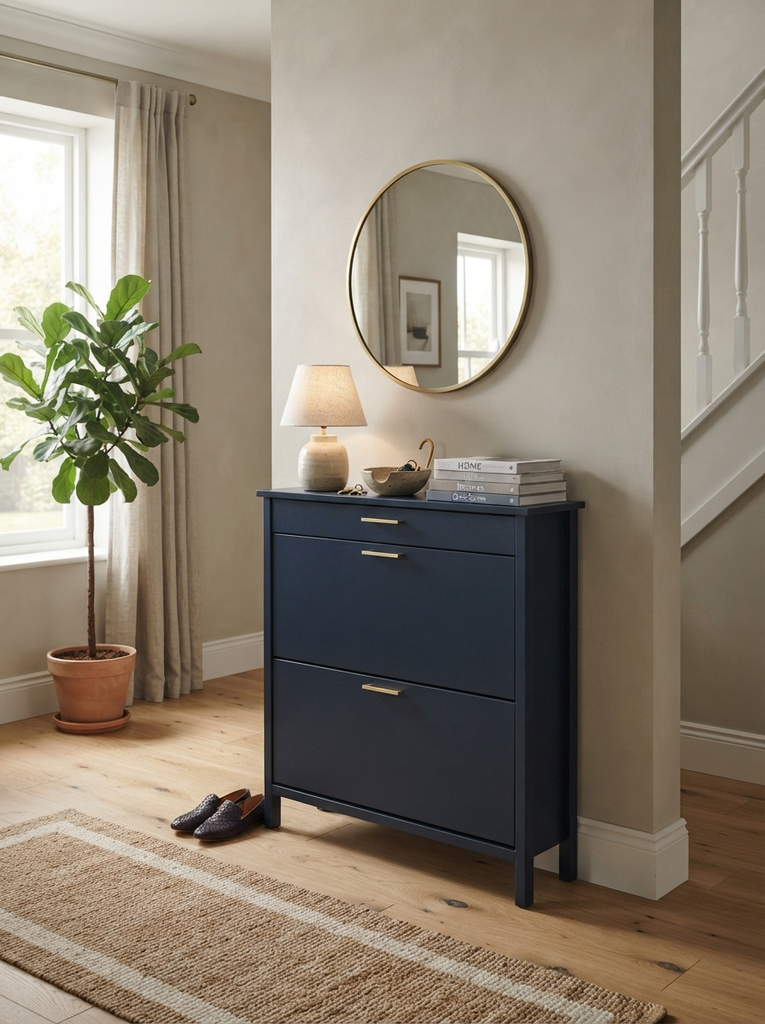
Shoes are the fastest way to overwhelm a small entryway, and a slim shoe cabinet is one of the easiest fixes. Tilt-out drawers or narrow doors hide pairs behind a clean front, and many models are only 8 to 10 inches deep, so they barely intrude on the walkway. The top surface works as a landing spot for keys, mail, or a small lamp, which means one piece handles both storage and styling. If your household has several pairs to manage, choose a model with adjustable shelves, and browse these clever shoe storage ideas for more ways to keep pairs organized.
3. Choose a Storage Bench With Hidden Space
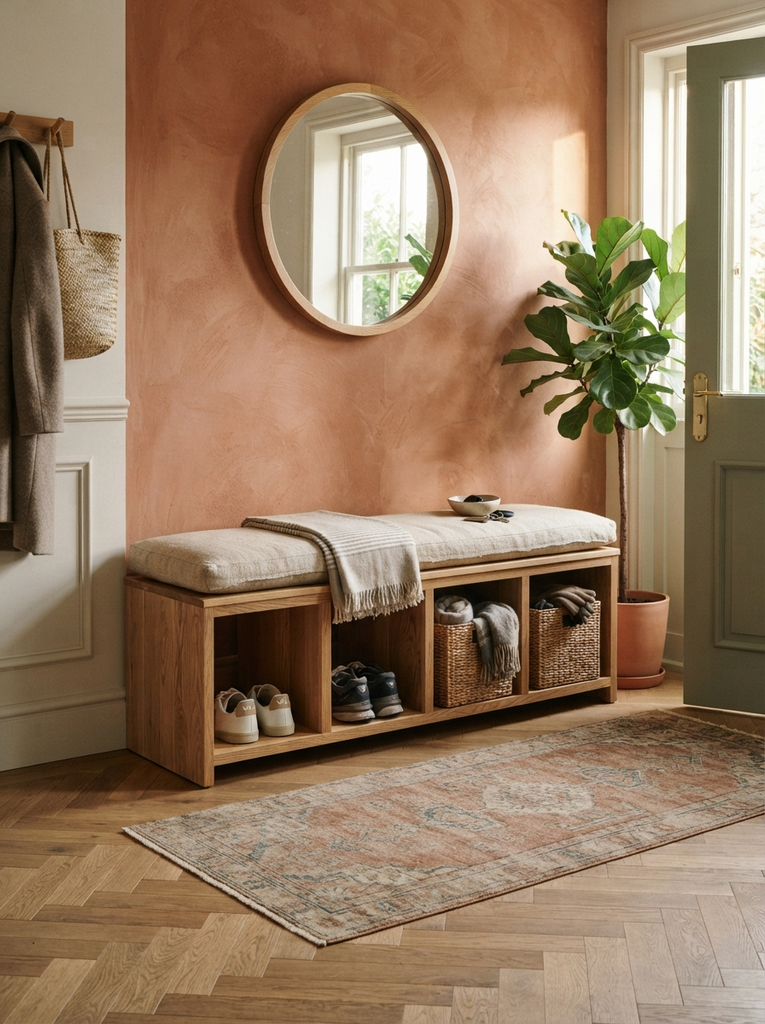
A storage bench gives you a place to sit while putting on shoes, with hidden room underneath for what you’d rather not see. Lift-top styles are great for seasonal items like gloves, scarves, and hats. Open-cubby benches keep everyday shoes within reach and are easier for kids to use on their own. Add a cushion for comfort and a couple of fabric bins to keep the inside organized. It’s a smart pick if you want seating without sacrificing storage.
4. Use a Wall Mounted Hook and Shelf Station
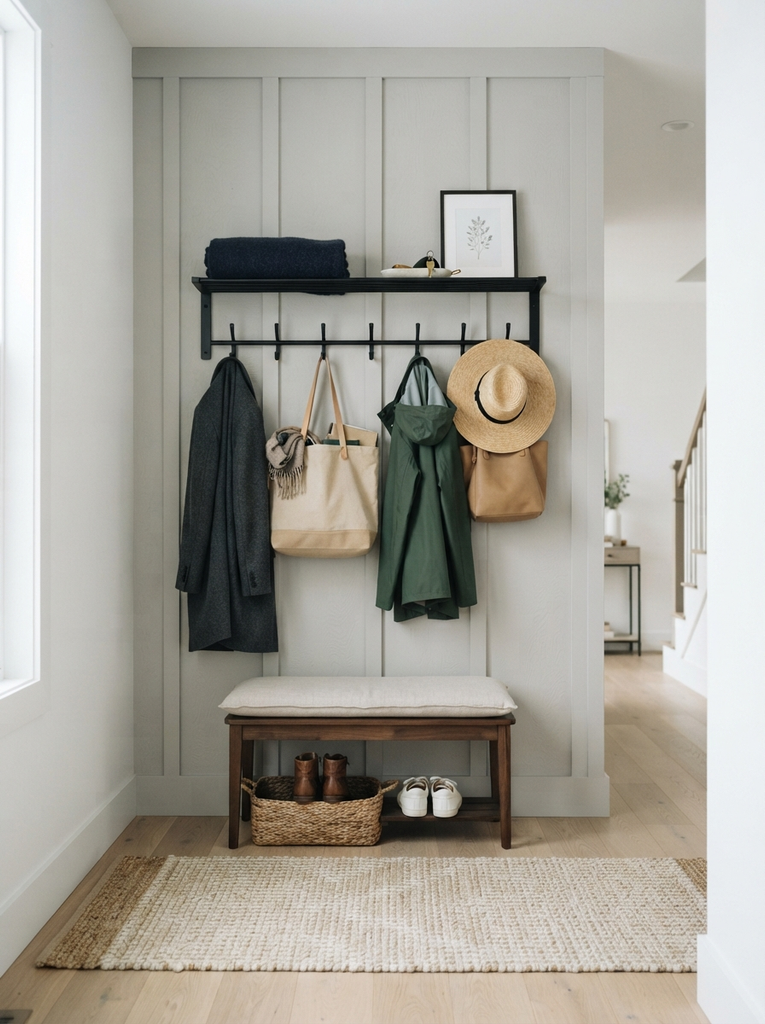
A wall-mounted rack with hooks below and a shelf above is one of the most space-efficient options you can choose. Coats, bags, and umbrellas hang on the hooks, while the shelf holds hats, sunglasses, or a small tray. Since it takes almost no floor space, it suits even the tightest entryway, including apartments and rentals. For a tidier look, assign one hook per person and keep a single row of items on the shelf.
5. Make Room for a Narrow Console Table
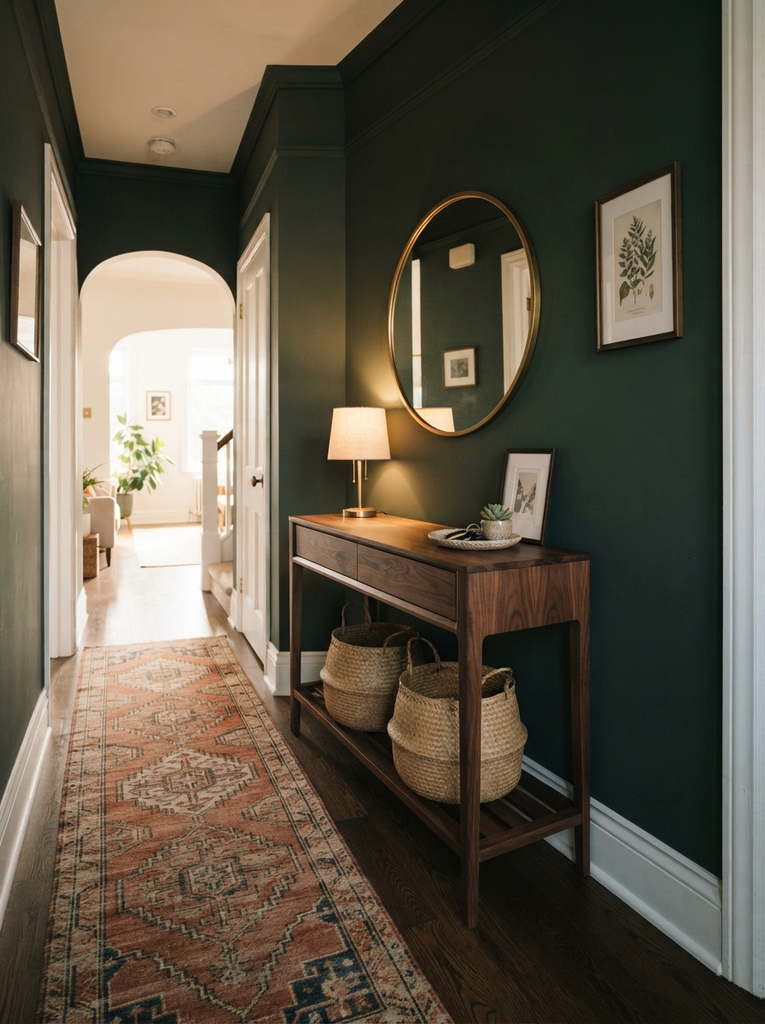
A slim console table adds a finished look and a useful surface without blocking the walkway. Aim for one that’s around 10 to 12 inches deep, and look for a lower shelf or a drawer for extra storage. Slide baskets or shoe trays underneath, and use the top for a catch-all dish, a small plant, or a simple piece of decor. A console also gives the space a “real entryway” feel, even when it’s just a corner of your living room.
6. Turn an Empty Corner Into Useful Storage
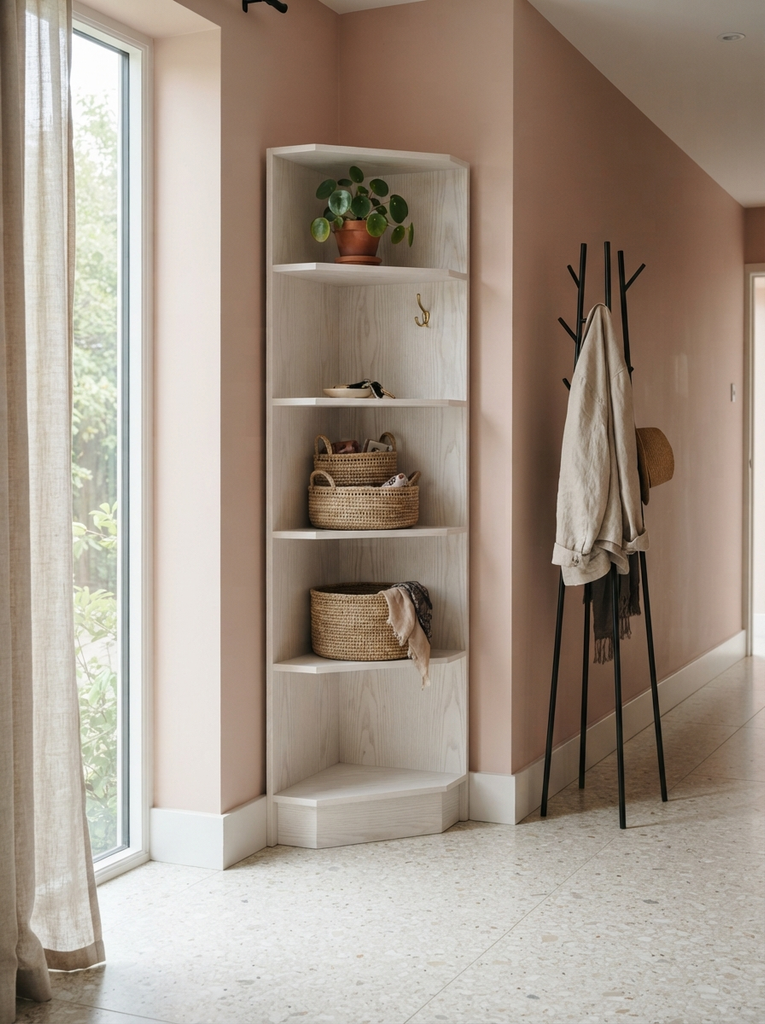
Corners are easy to overlook, but they’re perfect for storage. A corner shelf unit, a tall narrow bookcase, or a simple coat tree can turn dead space into a functional zone. Because the piece sits out of the main traffic path, it holds a lot without making the entry feel cramped. A corner setup also keeps the main wall free for hooks, art, or a mirror, which helps the whole area feel more open.
7. Use the Back of the Door for Extra Storage
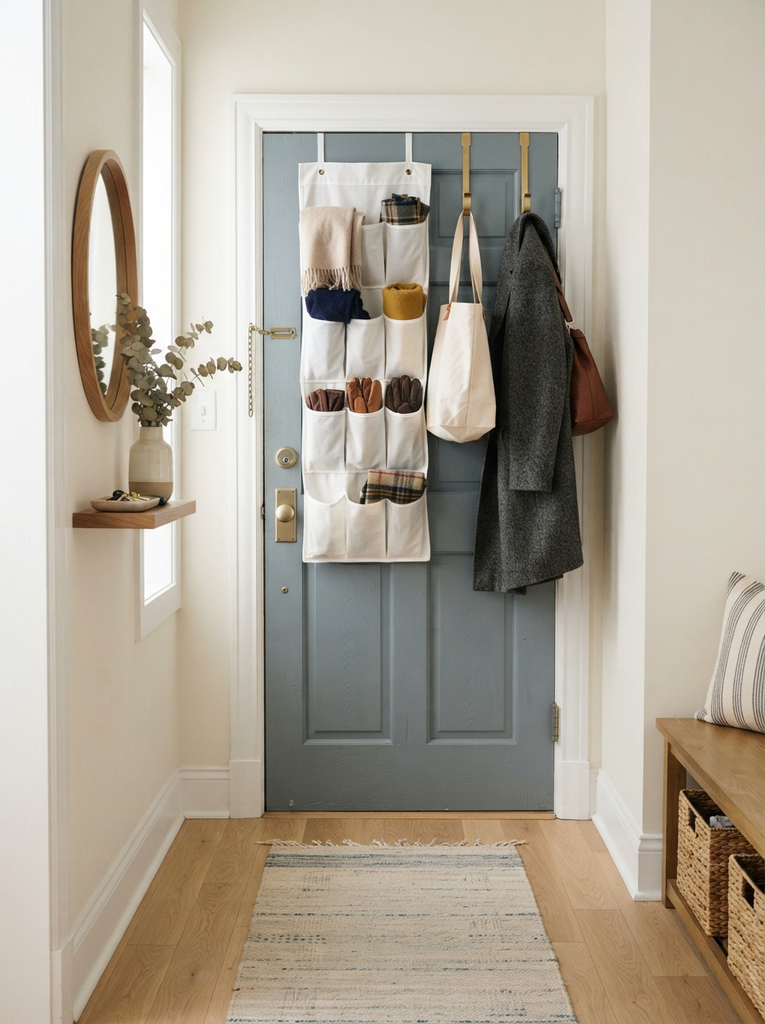
The front door itself is prime real estate. Over-the-door hooks or an over-the-door organizer can hold coats, bags, scarves, and even shoes in pockets. It adds storage without touching the walls or floor, which makes it especially helpful for renters. Before you commit to anything bulky, check that your door still closes smoothly and that the hardware won’t scratch the finish.
8. Add Baskets for Shoes, Bags, and Accessories
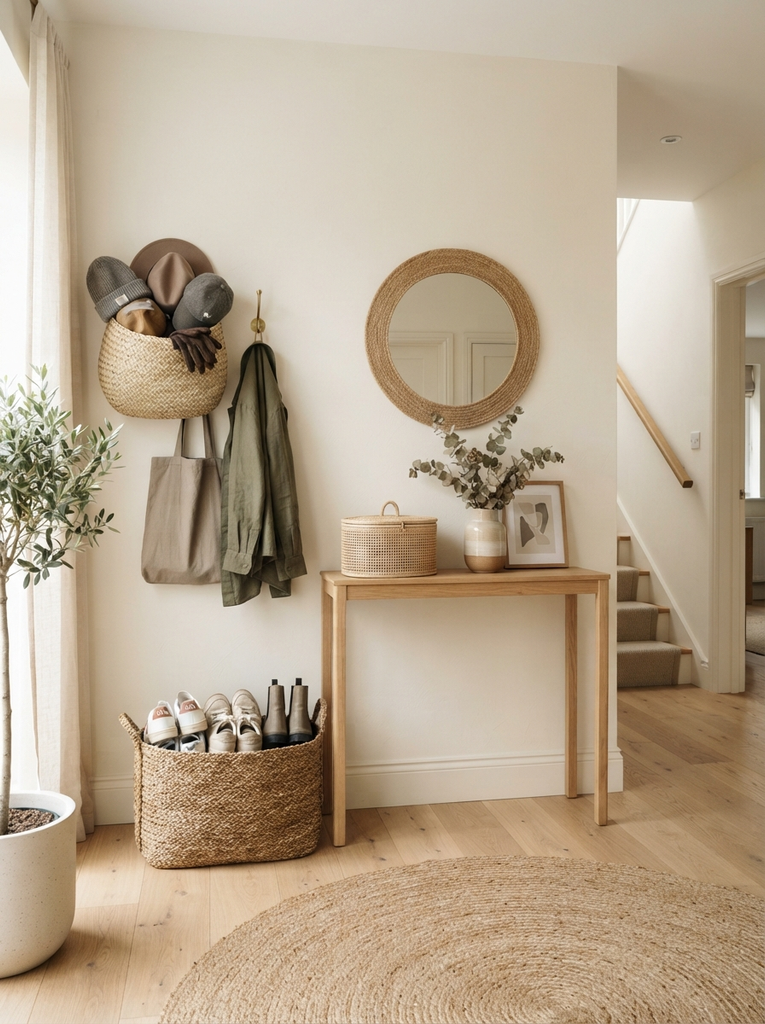
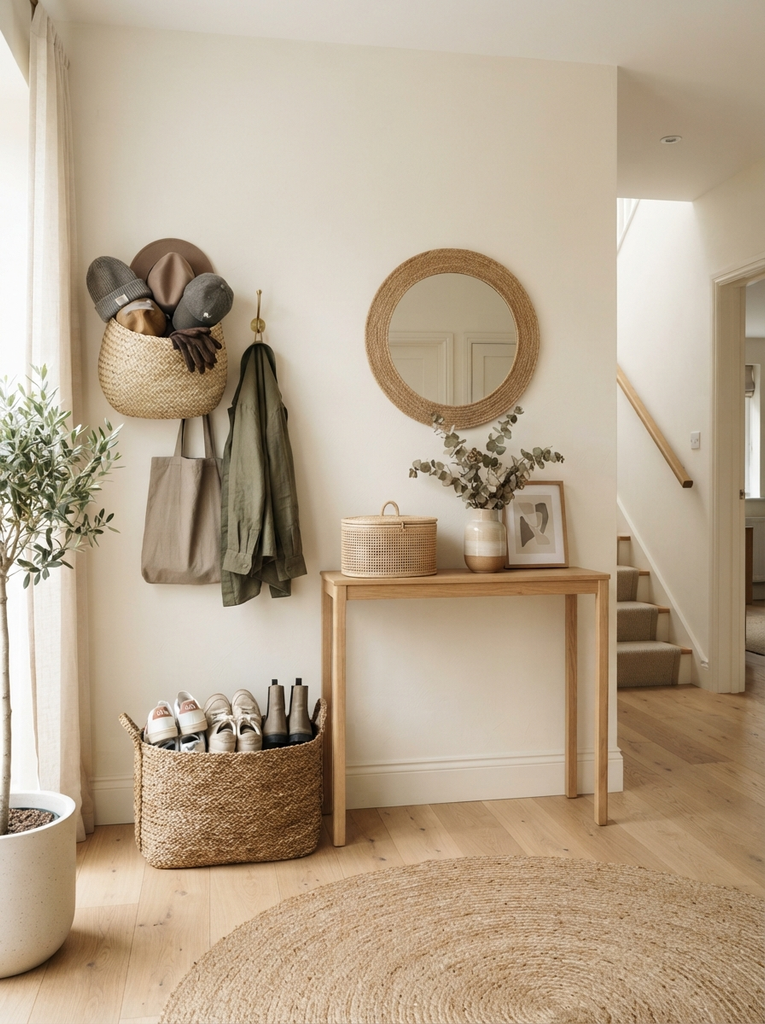
Baskets are a fast, flexible fix that works in nearly any layout. Use a low basket on the floor for everyday shoes, a wall-mounted one for gloves and hats, and a lidded one on a shelf for odds and ends. Woven or fabric styles add warmth and texture, and giving each basket one clear job makes it easier for everyone in the house to put things back where they belong. Labels can help if you share the space with kids.
9. Choose a Mirrored Cabinet for Storage and Style
A mirrored cabinet does two jobs at once: it hides clutter and makes the space feel larger by reflecting light. Hang it above a console or bench for a quick last-look-before-you-leave moment, with room inside for keys, masks, or small accessories. It’s an especially smart choice for dim or narrow entryways, where extra brightness makes a real difference. Look for a shallow depth so it doesn’t stick out into the walkway.
10. Build a Simple Entryway Drop Zone
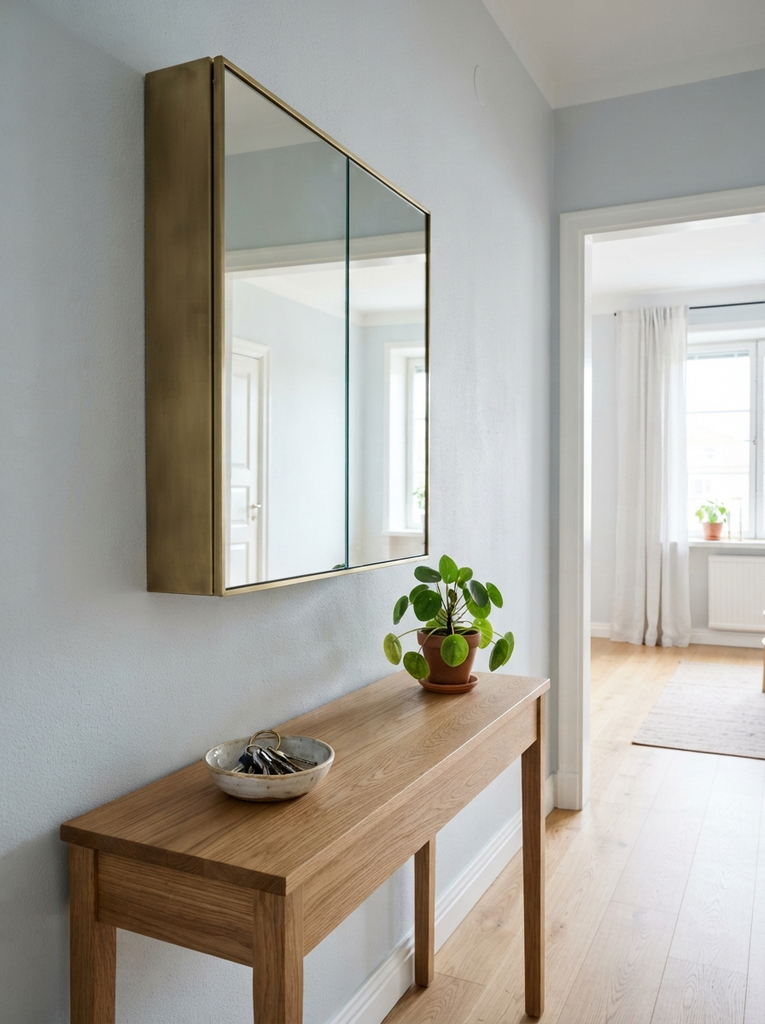
A drop zone is a small, designated spot for the things you carry in every day. It can be as simple as a tray for keys, a hook for your bag, and a small basket for mail. Keep it near the door so items land there automatically instead of on the kitchen counter or dining table. Clear it out once a week so it stays useful, and add a small charging spot if you like to keep essentials ready to go.
Clear it out once a week so it stays useful, and add a small charging spot if you like to keep essentials ready to go. If you want to bring the same system to the rest of your home, try these easy home organizing ideas for every room.
Small Entryway Storage Ideas for Keeping Clutter Under Control
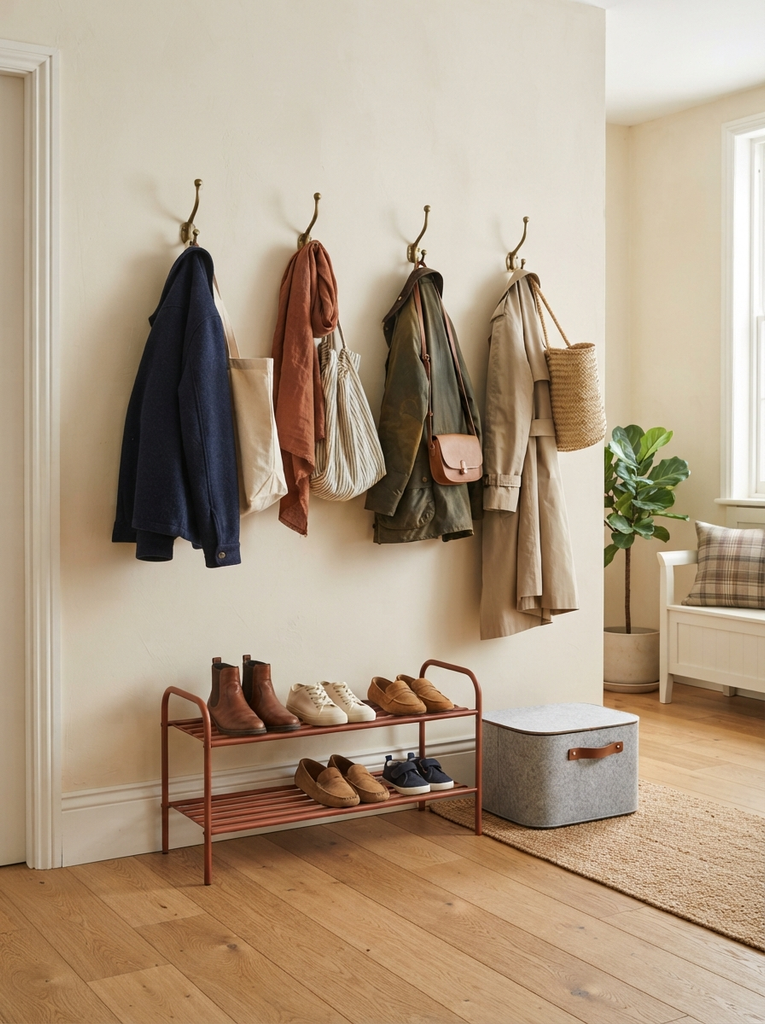
Good storage only works if the system is easy to follow. A few small habits make a big difference in how long your entryway stays tidy.
Give Shoes, Coats, and Bags Their Own Spot
When every item has a home, cleanup takes seconds. Assign a hook to each person, a shelf or bin for shoes, and a dedicated spot for bags. Limiting the number of pairs kept by the door, say two or three per person, stops the pile from returning. Store off-season shoes and heavy coats in a closet or under a bed so the entryway only holds what you use right now.
Keep Everyday Items Within Easy Reach
Keys, sunglasses, and reusable bags should be the easiest things to grab. Place them at eye level or on the top shelf, and store less used items lower down or in closed bins. If something is hard to reach, it will end up on the floor or the nearest counter instead. Think about how you actually move through the space, and put each item where your hand naturally goes.
Hide Less Attractive Items Inside Baskets or Cabinets
Pet leashes, umbrellas, stray gloves, and spare chargers don’t need to be on display. Tuck them into lidded baskets or closed cabinets so the entryway looks calm even on a busy day. Doing this also makes a small space feel more intentional, because your eye lands on a few styled pieces rather than a jumble of everyday items. A quick reset at the end of the day, taking about two minutes, keeps it that way.
Small Entryway Storage Ideas for a Narrow Space
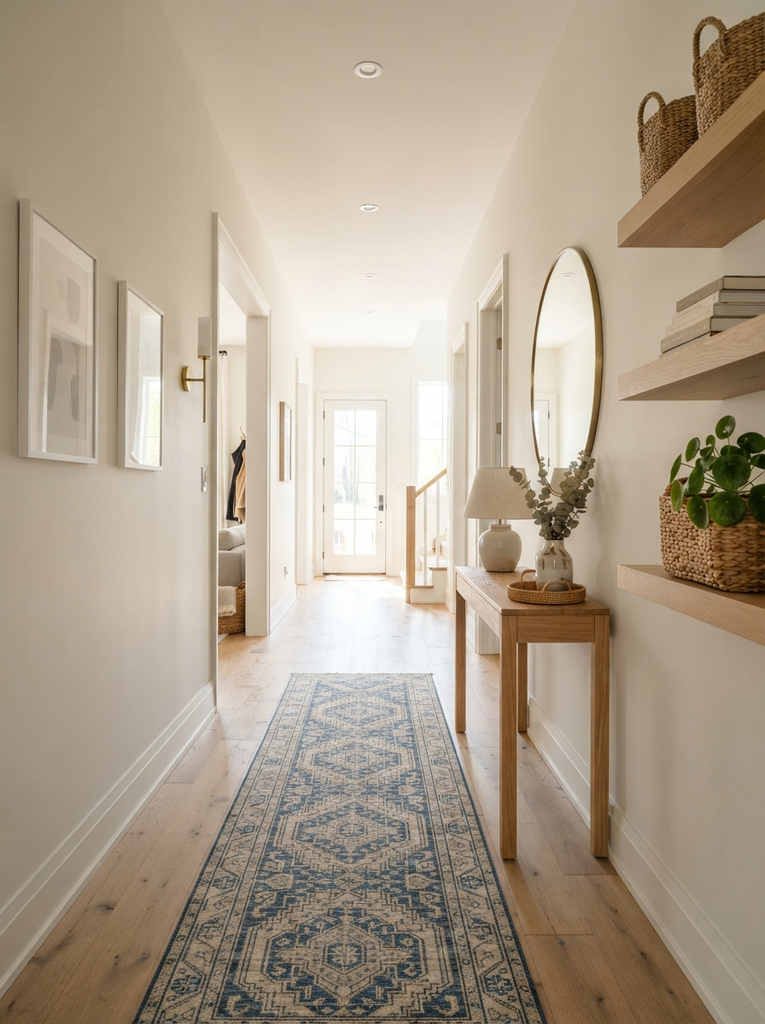
Narrow entryways need a slightly different approach, since the walkway has to stay clear. The goal is to add storage without adding bulk.
Choose Slim Furniture With a Small Footprint
Look for pieces that are shallow rather than wide, such as narrow shoe cabinets, slim consoles, and benches with a low profile. Legs that leave visible floor underneath also help the space feel lighter and less boxed in. As a general rule, aim to leave at least 30 inches of clear walkway so people can pass comfortably with bags or groceries. Measure twice before buying, and remember to account for door swing.
Use Wall Space Instead of Floor Space
In a tight hallway, the walls do the heavy lifting. Combine hooks, floating shelves, and a mirror to build storage upward, and keep the floor as clear as possible. Painting the walls a light color or adding a mirror opposite a window can make the space feel wider. This approach adds function without making the entry feel crowded, and it’s easy to adjust later if your needs change.
Small Entryway Storage Ideas: Simple Buys Worth Considering
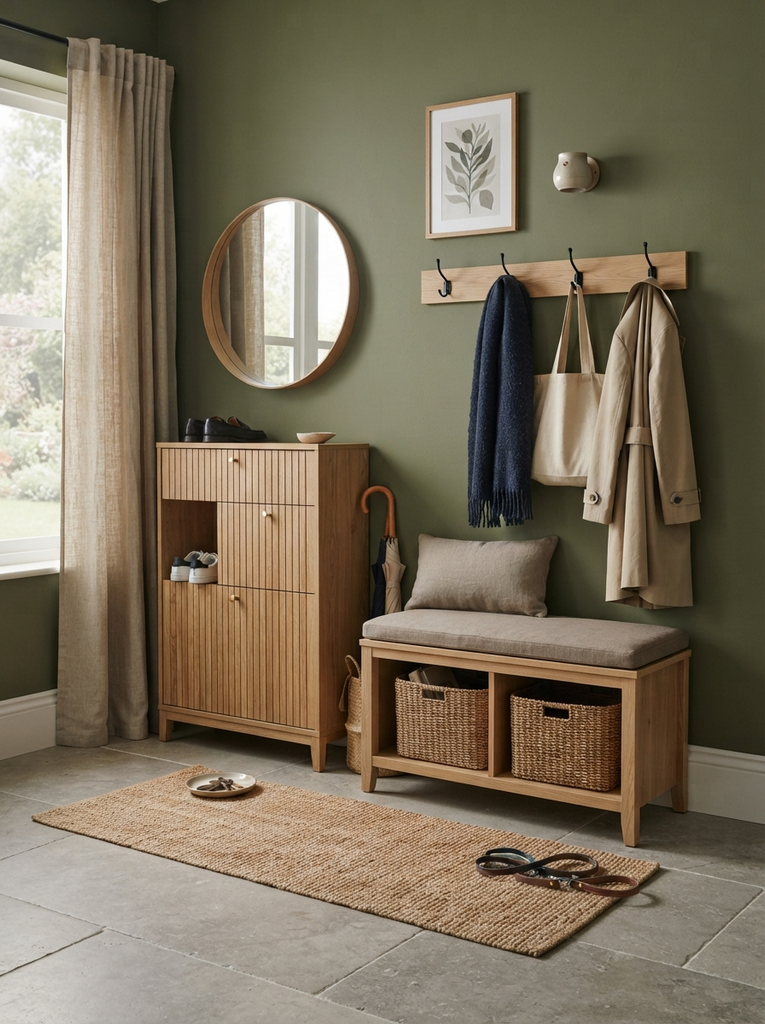
If you’re ready to shop, these are the categories that give you the most storage for the least space:
- Slim shoe cabinet: a hidden home for shoes with a useful top surface for keys and mail.
- Storage bench: seating and concealed storage in one piece, ideal for families.
- Wall mounted hook rack with shelf: a vertical station for coats, bags, and small items.
- Over the door organizer: extra storage with no floor footprint, great for renters.
- Woven or fabric baskets: flexible bins for shoes, hats, and accessories.
- Mirrored cabinet: storage and light in one wall mounted piece.
Before buying, measure your available width and depth, check the door swing, and choose finishes that match the rest of your home. It’s often better to start with one or two versatile pieces and add more once you see how the space works day to day. (Add your affiliate product links here.)
Small Entryway Storage Ideas FAQ
What is the best storage for a very small entryway?
Wall-mounted storage is usually the best choice, since it uses vertical space and leaves the floor clear. A hook rack with a shelf, plus a slim shoe cabinet or a few baskets, covers the essentials without taking up much room. If you have even a little floor space, a narrow bench with storage adds seating too.
How can I organize a small entryway without making it feel crowded?
Stick to a few well chosen pieces, give every item a designated spot, and hide everyday clutter in baskets or cabinets. Keep surfaces mostly clear, with just one or two decorative items. Adding a mirror also helps the space feel larger and brighter.
How do you store shoes in a small entryway?
Use a slim shoe cabinet, a bench with cubbies, or a low basket or tray by the door. Keep only the pairs you wear most often nearby, and store off-season shoes elsewhere. If floor space is really limited, an over-the-door shoe organizer is a good backup.
Final Thoughts
You don’t need extra square footage to enjoy an organized entryway. Pick two or three of these small entryway storage ideas that fit your space, give every item a home, and build from there. A little planning at the door makes the whole house feel calmer, and it saves you time every single day.